2026 Q2 Impact Report
This Q2 Impact Report highlights a successful winter wheat harvest, progress toward regenerative certification, and continued investments in research, infrastructure, and long-term sustainability at Rainmaker Farm.
Letter from Founder and Team
As we reached the midpoint of 2026, we were encouraged by the continued momentum across Rainmaker Farms. The first half of the year has been especially rewarding as we watched crops mature, celebrated the successful harvest of winter wheat from two fields, and continued building the systems that will support the farm’s long-term ecological and financial sustainability.
This quarter also marked an exciting milestone for our broader organization with the addition of Julie Hewitt as Executive Director of The Gulch Environmental Foundation, the nonprofit organization under which Rainmaker Farm operates as a signature conservation and research initiative. Julie brings more than 25 years of experience spanning agricultural research, business development, and environmental stewardship, along with a passion for advancing regenerative agriculture through science-based partnerships. Her leadership will strengthen our ability to build meaningful collaborations, expand the farm’s impact, and advance innovative solutions that restore soil health, enhance biodiversity, and support resilient agricultural systems.
One initiative emerged as a defining milestone this quarter. While achieving Certified Regenerative status has long been part of our vision, Q2 marked the point when we established a formal plan and timeline to complete the application. It is an exciting milestone that reflects how far the farm has progressed in its regenerative journey.
Our collaboration with Oklahoma State University also continued to advance this quarter as researchers began processing soil samples collected during the spring as part of the farm’s five-year follow-up study. We eagerly anticipate these results, which will help quantify the impact of our long-term no-till management on soil health and carbon sequestration while providing valuable scientific support for our regenerative practices.
Throughout the quarter, we also continued investing in the future of the farm through orchard improvements, rotational grazing planning, equipment maintenance, infrastructure development, and preparations for summer planting. Each of these efforts reflects our commitment to creating resilient agricultural systems that restores the land while serving as a model for regenerative farming.
As we enter the second half of the year, our priorities remain clear: completing our regenerative certification, implementing our summer planting plan, expanding infrastructure to support renewable-powered irrigation, and continuing to care for the land in ways that will benefit future generations.
We are grateful for your continued partnership and belief in this mission. Every field harvested, every tree nurtured, every research partnership strengthened, and every new project undertaken is made possible through your generosity. Thank you for helping us build a healthier, more resilient future for agriculture.
Pursuing Certified Regenerative status through A Greener World (AGW) has been part of Rainmaker’s long-term vision for several years. From the beginning, we have intentionally adopted farming practices designed to improve soil health, protect natural resources, and build a more resilient agricultural system.
This quarter marked an important turning point. Rather than simply viewing certification as a future objective, we formally established completing the AGW application as a strategic organizational priority and set a target date for submission.
That decision reflects our belief that Rainmaker Farms has reached a stage where independent verification of our regenerative practices will strengthen the credibility of our work and help communicate its impact. Certification complements our ongoing partnership with Oklahoma State University, whose long-term soil study will provide scientific data on improvements in soil health and carbon sequestration. Together, these efforts demonstrate our commitment to measurable outcomes, transparency, and continuous improvement.
As we move into the second half of 2026, completing the certification process remains one of our highest priorities and an important milestone in the continued evolution of Rainmaker Farm.
Summary of Q2 Activities
Throughout the second quarter, donor support continued to advance our mission of regenerative agriculture through research partnerships, crop and orchard management, livestock integration, infrastructure improvements, and long-term planning. Highlights from each of our six primary activity areas are summarized below.

University Involvement
- OSU Soil Research: Soil samples collected in March by an Oklahoma State University research team from the Soil and Water Management Department entered the laboratory analysis phase this quarter. We have remained in regular contact with the principal investigators and anticipate preliminary results later this summer. These findings will help quantify how our long-term no-till management has influenced carbon sequestration and overall soil health, supporting both our pursuit of regenerative certification and our evaluation of future carbon market opportunities.
- Sorghum Research Partnership: We also continued coordinating with the OSU sorghum research team as they prepare to resume their multi-year study evaluating weed management strategies in sorghum. Planting is scheduled to begin in July.
Diverse Planting
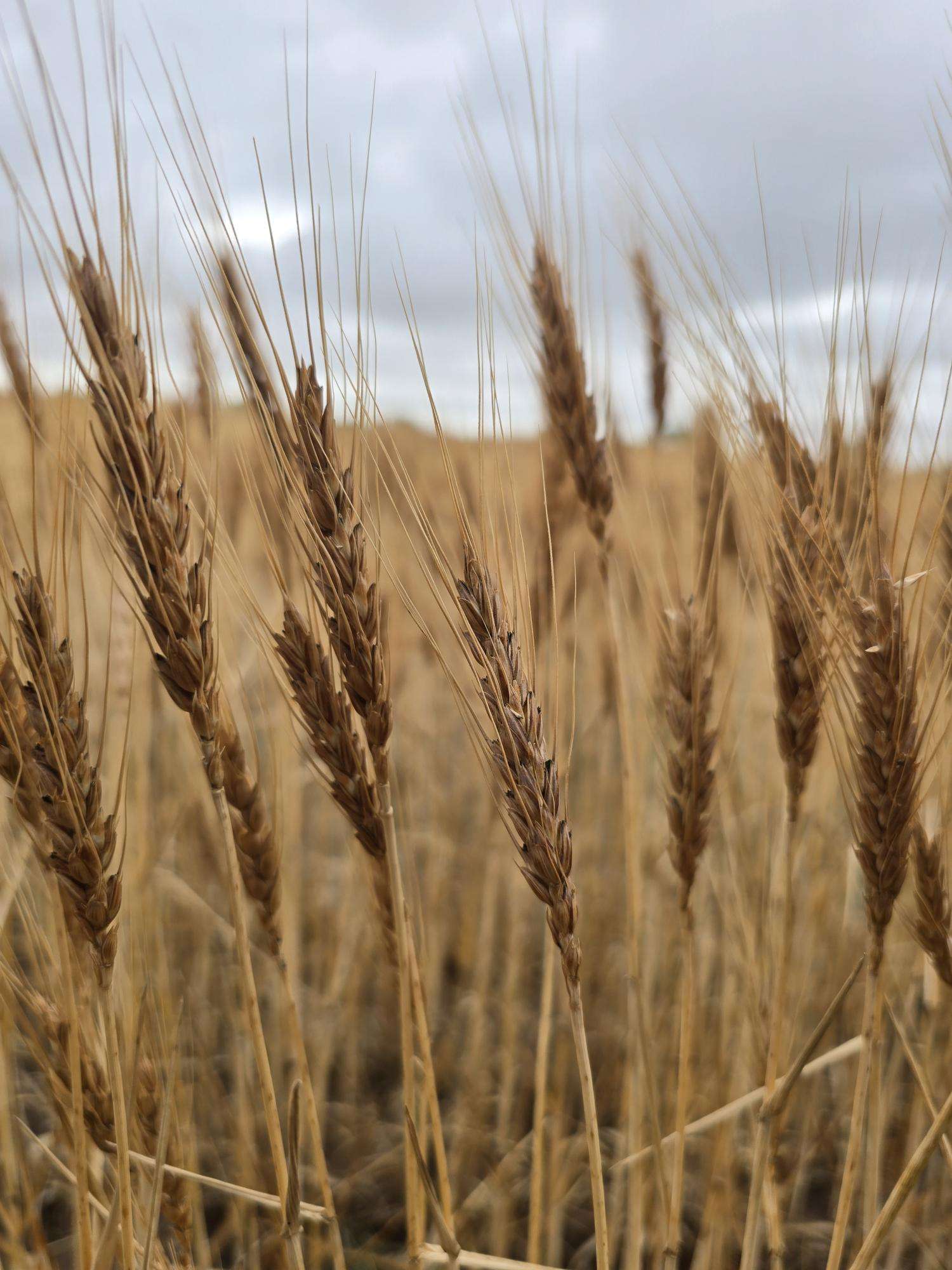
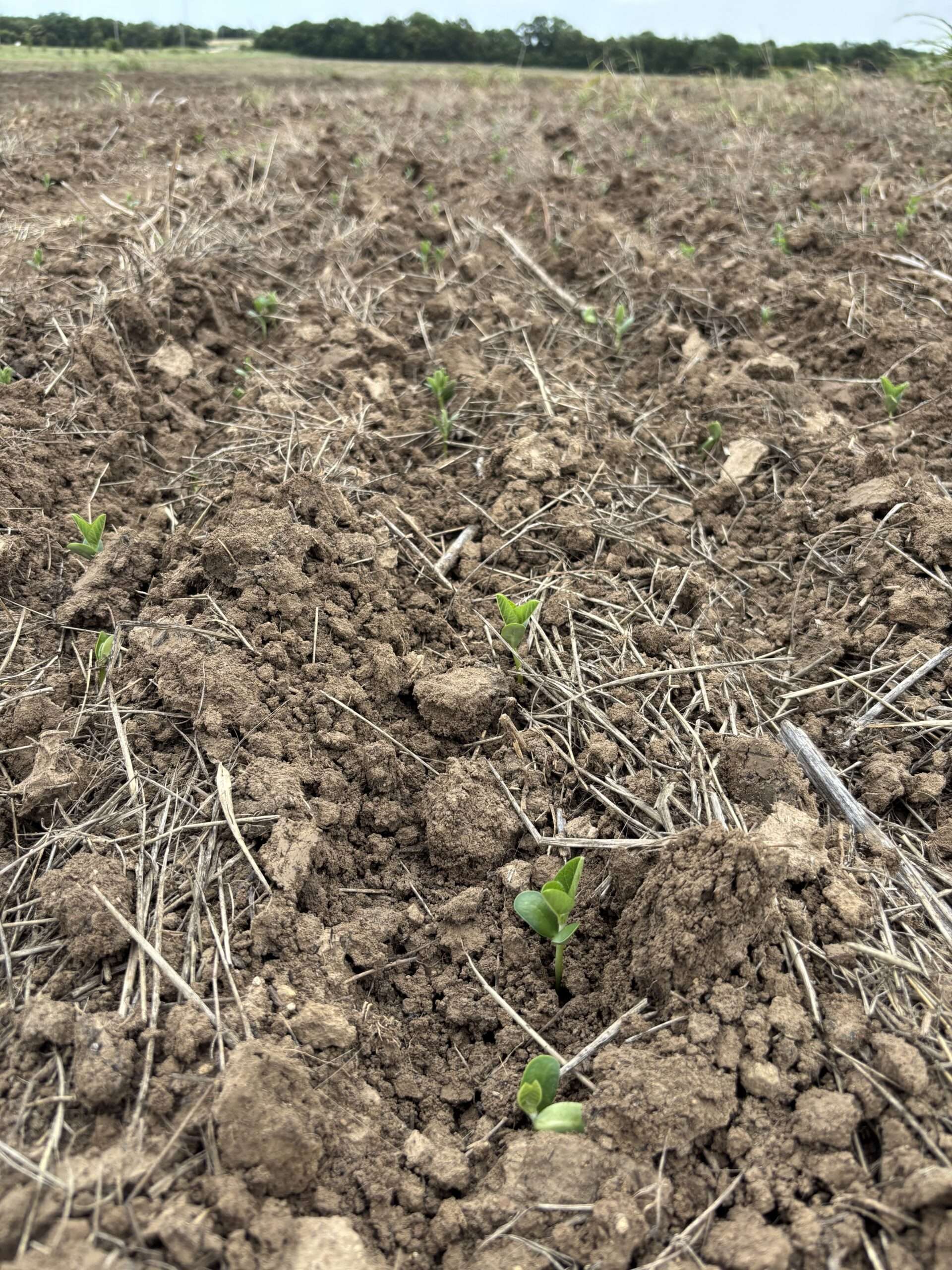
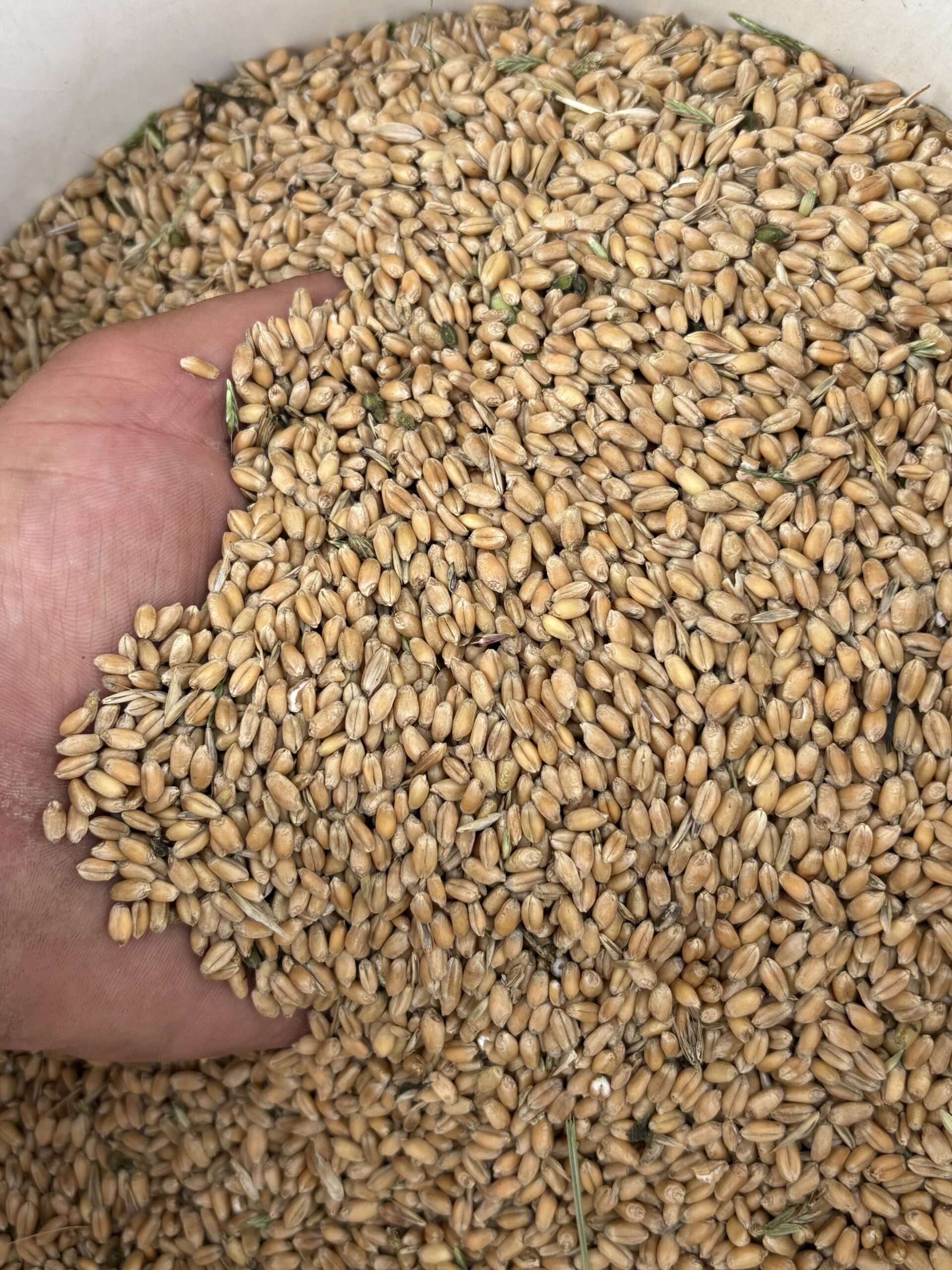
- Annual Crops: Winter wheat planted in November 2025 was harvested in June, producing a yield of 941 bushels. We were able to secure a competitive cash bid immediately following harvest, eliminating the need for grain storage. Later in the month, soybeans were planted across 45 acres in Tiny Field.
- Perennial Crops: The orchard saw significant progress this quarter. We began collecting and repurposing protein tubs into slow-release watering reservoirs by drilling drainage holes and securing each with cinder blocks. This interim irrigation system will help sustain the young trees until a permanent rainwater-fed irrigation system is completed. We also applied straw mulch around each tree to improve moisture retention and suppress weed growth. Finally, every orchard tree was inventoried using ArcGIS geographic information system (GIS) software. Each tree’s location, condition, and appearance were documented with detailed notes and photographic records, creating a comprehensive baseline for future management and monitoring.

Livestock Incorporation
- Cattle: Eighteen yearling steers were introduced to the pasture in May and continue to graze successfully. We remain committed to expanding managed rotational grazing across additional fields. The next phase will focus on installing interior fencing to complement the existing perimeter fencing, allowing livestock to be rotated more effectively while improving forage utilization and soil health.
- Honeybees: Planning continued for the expansion of our beekeeping program, now targeted for Spring 2027. This quarter, we evaluated design concepts for a larger hive structure, including portable options that could improve flexibility and management. We also continued researching suitable bee colonies to acquire once the new apiary is complete.

Cover Cropping
- The hairy vetch cover crop established across 45 acres in Tiny Field was terminated in late May to prepare for soybean planting. Elsewhere on the farm, our commitment to maintaining continuous living cover guided development of a regionalized summer planting strategy. Plans include double-crop soybeans in the southwest field, cowpeas and haygrazer in East Field, and supplemental grass seeding around the orchard to strengthen existing native vegetation. Although persistent rainfall delayed planting at the close of the quarter, preparations are complete, and fields are ready as soon as weather conditions permit.

Farm Equipment & Supplies
Routine maintenance and equipment improvements continued throughout the quarter to support efficient farm operations.
- Our tractor, BAT Girl, was inspected to diagnose a fuel leak, and the return line on the fuel cooler was replaced.
- A new hand-held spray unit was acquired for targeted treatment of thistles.
- The weather monitoring system was assessed, with the main station and two field nodes inspected and batteries replaced where necessary to ensure continued data collection.
Infrastructure
Infrastructure projects this quarter focused on strengthening long-term farm operations and supporting future irrigation and renewable energy systems.
- Construction plans were finalized for a new storage shed adjacent to the water catchment tank. Rather than a lean-to structure, the new design includes four enclosed walls and a roof engineered to support a future solar array. The long-term goal is to use solar power to operate an irrigation system that distributes collected rainwater throughout the orchard.
- A permanent location was selected for the Groot’s Orchard commemorative sign honoring those who helped plant pecan trees and pollinator habitat during Farm Day 2025. Positioned just southwest of the orchard, the sign will welcome visitors as they approach along one of the farm’s primary pathways. The display will feature a main sign mounted above four columns of individually suspended donor nameplates.
- Internet service at the Tiny House was restored following troubleshooting efforts, including installation of a new underground cable to ensure reliable connectivity.
Q2 Impact Report Highlights from Rainmaker Farm
Throughout the second quarter, we continued making steady progress toward our 2026 strategic goals. While several initiatives advanced as planned, others laid important groundwork for projects that will continue into the coming months.
Summary of our Q2 Goals: Targets and Goal Tracking
As we enter Q3, our focus remains on strengthening regenerative farming practices, expanding farm infrastructure, and supporting the long-term sustainability of Rainmaker Farm.
-
- Complete application for Certified Regenerative status through A Greener World.
- Review and evaluate the results of Oklahoma State University’s five-year follow-up soil study.
- Continue implementing our summer planting plan as weather conditions allow.
- Provide ongoing orchard care, including irrigation, weed management, and installation of protective fencing around young pecan trees.
- Continue planning for the arrival of new honeybee colonies in Spring 2027.
- Begin construction of the new shed adjacent to the water catchment system.
- Advance design plans for the rooftop solar array and orchard irrigation system.
- Install the Groot’s Orchard commemorative sign.