2025 Q3 Impact Report
Letter from Founder and Team
In these summer months, the farm was abuzz with life: butterflies, grasshoppers, caterpillars, birds, and insects of all sorts were all over the farm, proof that our regenerative practices are supporting a thriving ecosystem.
The season brought both challenges and insights, and summer at the farm brought a slower pace and plenty of time for reflection and planning. Heavy rains in June gave way to below-average rainfall throughout Q3, and temperatures were higher than usual in this period. Our wheat crop looked its best ever! Yet despite its promise, stubborn weeds and challenging weather kept us from harvesting at the right moment, and no crop was gathered. Though we didn’t gather a crop this year, the experience reminded us that farming regeneratively means learning and adapting. Every season offers new lessons and opportunities to grow. We used the time to reflect, exchange ideas, and chart new approaches for the future, carrying the insights of this summer into the seasons to come.
As we developed a planting plan that extends into 2026, we also refined our broader goals for the farm and for the Gulch Environmental Foundation overall. Our work now centers around five key pillars: Carbon Sequestration, Soil Health, Biodiversity & Restoration, Financial Sustainability, and Community & Social Outreach. You can explore these goals here: Rainmaker Farm | Regenerative Farming | Gulch Foundation.
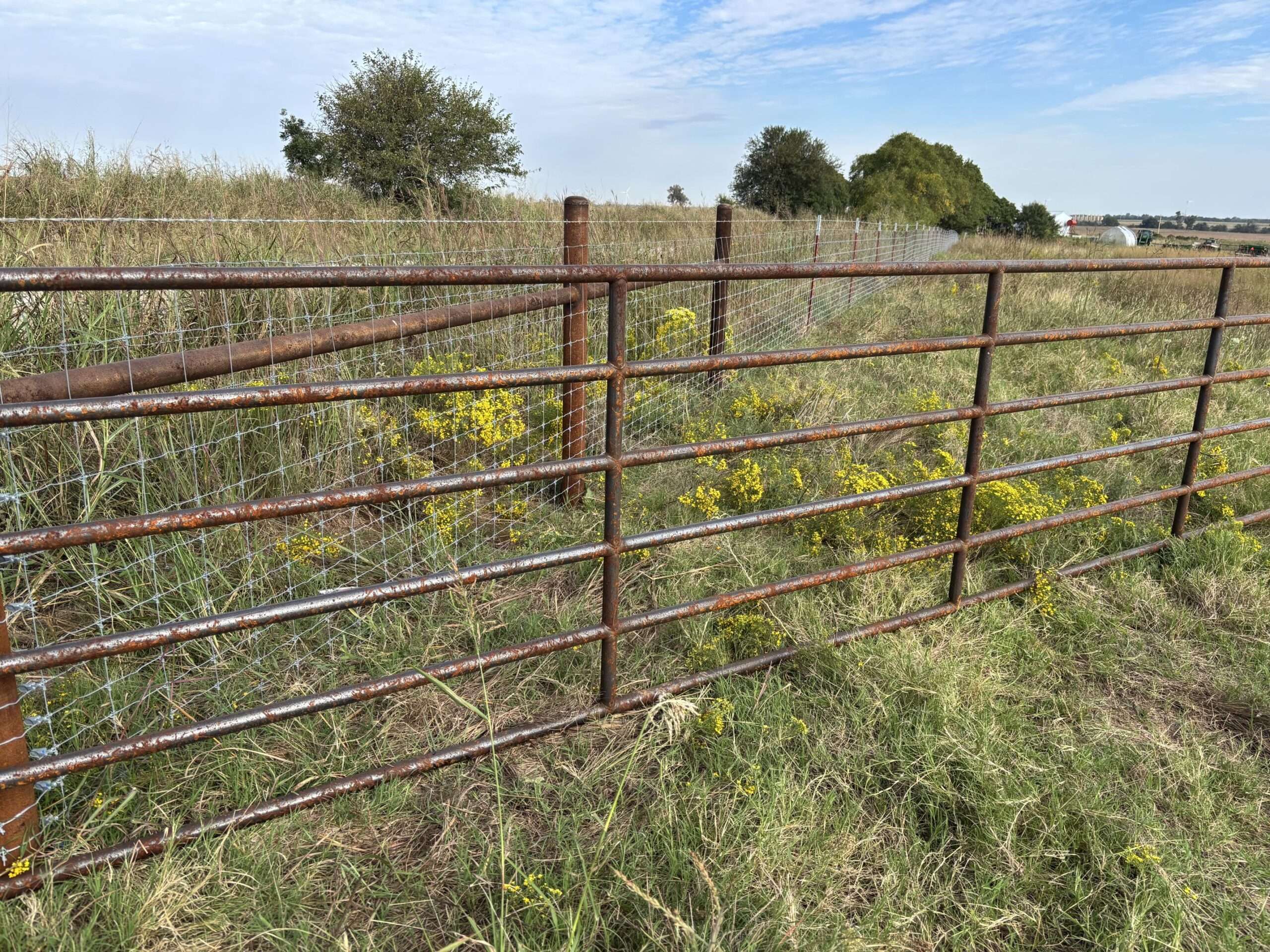
We also celebrated a big infrastructure milestone this summer: the perimeter fence project that started in Q2 involved two phases and was finally completed in September. A woven wire fence now surrounds the whole farm with ten 20-foot gates thoughtfully placed to provide access to the road and the neighboring farm for vehicles and livestock.
In parallel, we’re moving forward with plans to pursue regenerative agriculture certification. Our no-till methods, native grasses, water catchment system, and integrated livestock methods set a strong foundation for this next step. After reviewing several programs, we selected a certifying agency that aligns well with our mission. Next up: record collection, risk assessment, and soil and biodiversity testing.
Our partnership with Oklahoma State University (OSU) continues to play a key role in this work. Building on our 2021 baseline soil tests, we’re now preparing for 4–5-year follow-up studies. These efforts will help us measure progress, meet certification requirements, and deepen our understanding of how regenerative practices are transforming our land.
Summary of Q3 Activities
Our donor-funded activities are broken down into six main categories. The activities completed during this quarter are outlined below.

- Ongoing partnership with OSU allowed for initiation and progress of experiments on sorghum, a climate-resilient crop used for livestock feed and human food. With deep roots, sorghum improves soil structure and carbon storage. The goal of the study is to compare and develop management practices for organic grain sorghum and sorghum silage to improve soil fertility, health, and weed management. Test plots in our northeast field spanned 80 x 60 feet and compared two different interventions to a check plot, and samples are in the process of being collected and quantified. The experimentation period will continue for 1-2 more years.
- Annual: We were encouraged by a promising wheat crop in late June, the strongest in Rainmaker Farms history! Unfortunately, late rains and heavy weed pressure interfered with timely harvest, and the crop was lost. We are exploring new weed management strategies in addition to a comprehensive planting plan leading into 2026 that includes fall planting of winter wheat and spring planting of other crops.
- Perennial: The young fruit and nut trees in the orchard held steady through the summer. Precipitation in this period was slightly under average values, with a quarter total of 8.75 inches (normal is closer to 9.9 inches), so we are investigating an irrigation set-up that will connect to the water catchment tank.
Livestock Incorporation
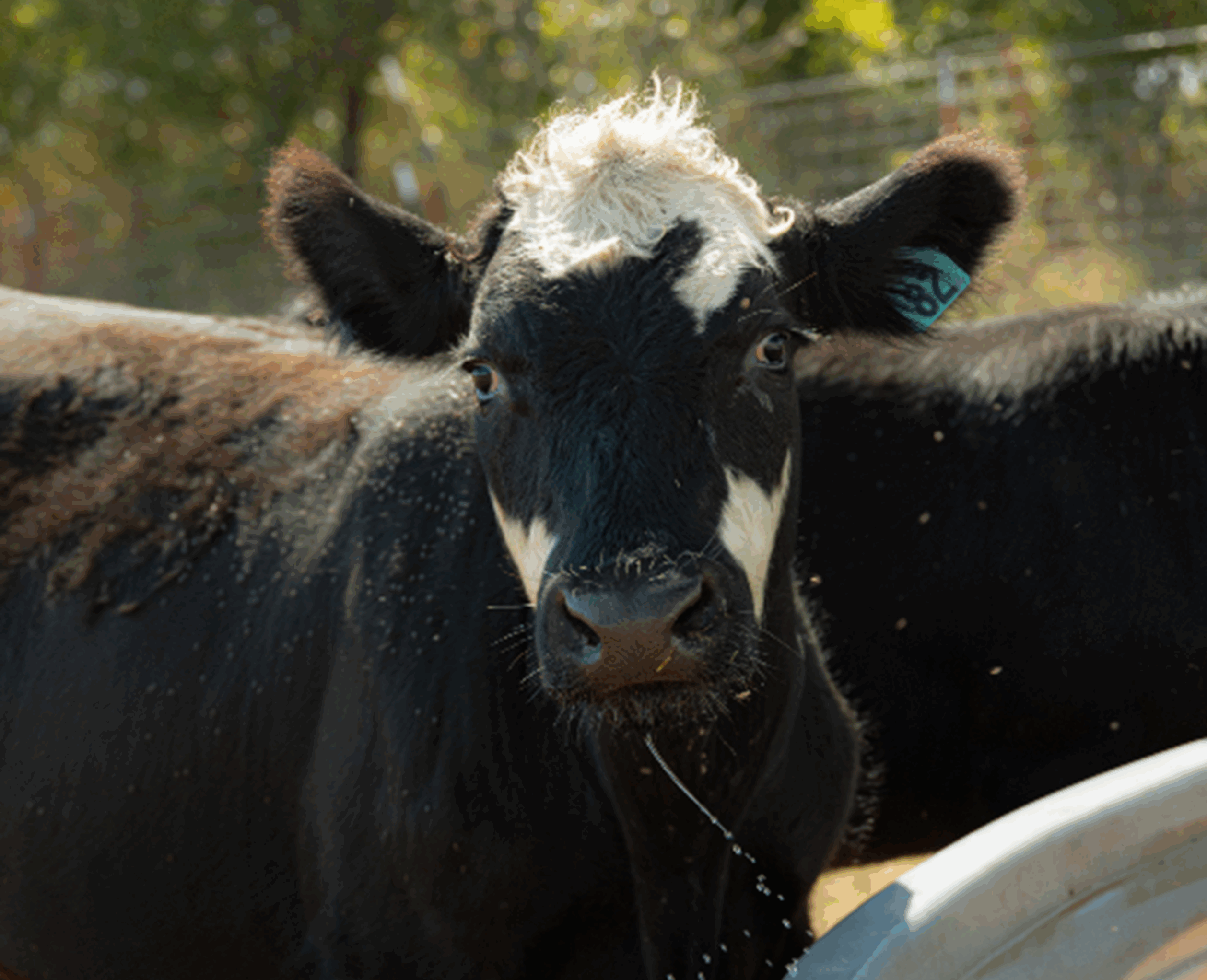
- Cattle: In late September, 39 heads of cattle were brought into the pasture of native grasses. They will remain for a few months until the grass has been grazed down sufficiently.
- Honeybees: Plans for a new and grand hive structure are in development! Additionally, we are searching for new personnel to care for new colonies to be acquired in Spring 2026.

Cover Cropping
- Cover cropping has always been a part of the planting plan at Rainmaker, and we continue to explore best options to prevent erosion, improve soil health, and optimize water retention. We are considering cover cropping with the fall planting in early Q4.

Farm Equipment & Supplies
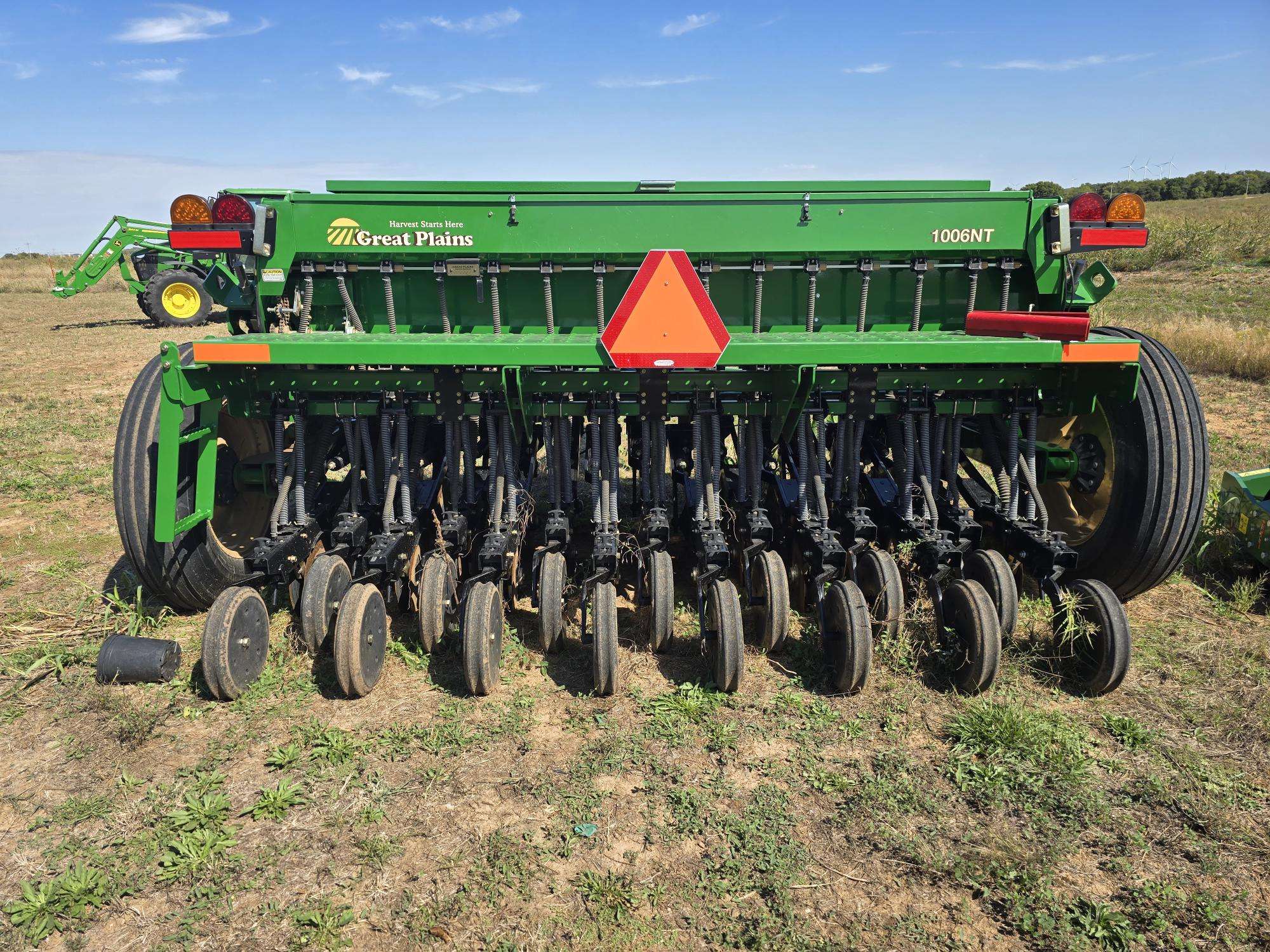
- We have continued to maintain our large tractor (BAT Girl), our side-by-side gator, a zero-turn mower, a no-till drill, our weather station, and a few other implements. The side-by-side had an electrical issue related to contacts in the fuse block that was addressed at a local repair shop, and it’s been running fine since.
Infrastructure
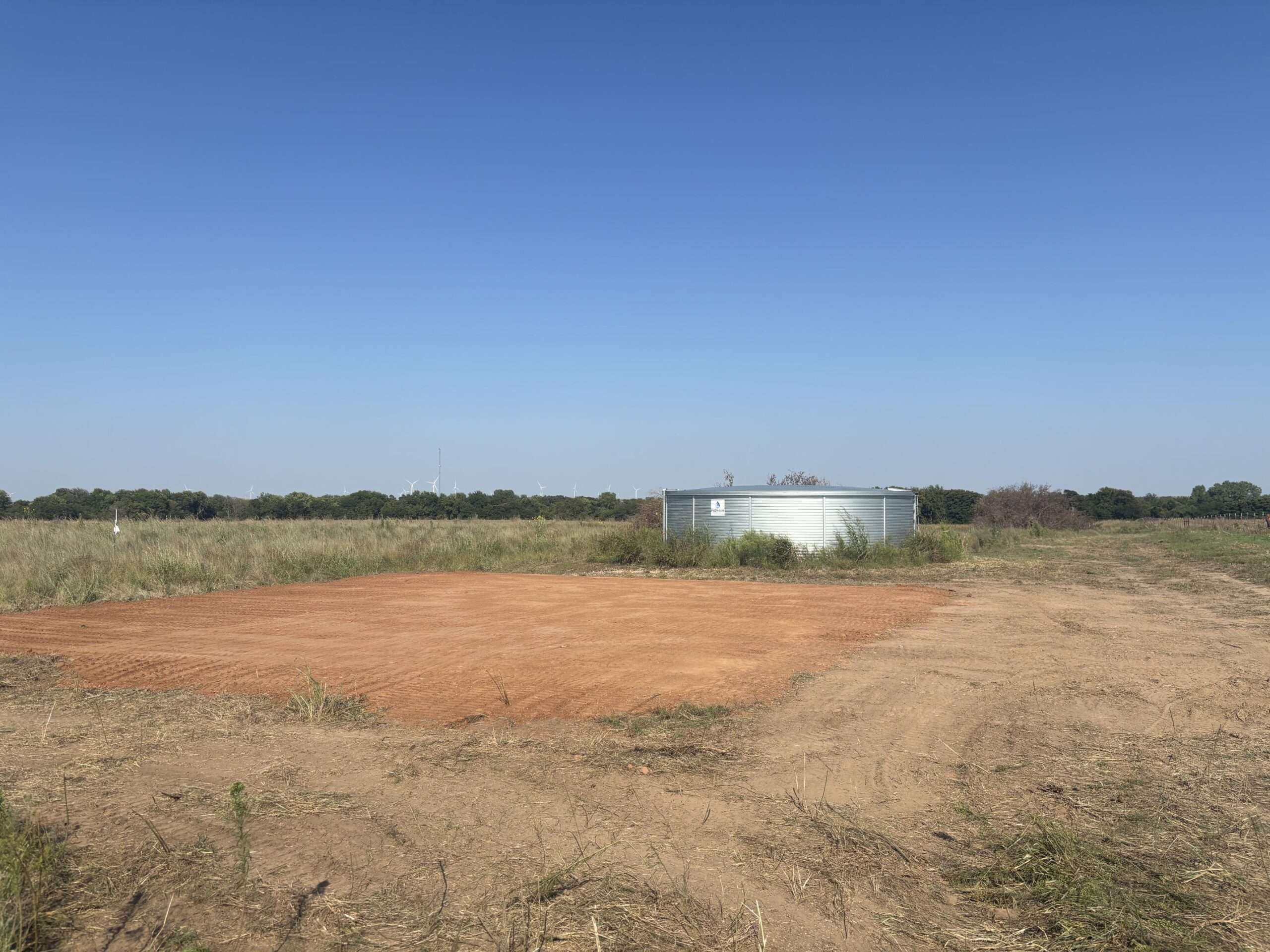
- To prepare for construction of the lean-to structure, a plot of ground strategically located near the water catchment tank was leveled. Deep guttering on the lean-to structure will collect rainfall that will be funneled directly into the tank.
- The water catchment tank has a 30,000 gallon capacity, and it is currently at about 10,000 gallons.
- The perimeter fence project began in Q2 and was completed in September. The farm is now enclosed with a woven wire fence and ten 20-foot gates that provide access for vehicles and livestock.
Targets and Goal Tracking
We are on track to meet our targets and goals for 2025.
Next Steps
In Q4 2025, we anticipate the following:
-
- Winter Wheat planting in two fields
- Annual Farm Day 2025 for company employees to work on farm projects and learn from demonstrators about soil health.
- Rainmaker Farm signage on gates
- Further planning for construction of lean-to structure with deep water catchment guttering
- Planning for rooftop solar array and irrigation system for the orchard
- Progress with regenerative agriculture certification