2026 Q1 Impact Report
This Q1 Impact Report highlights regenerative practices, soil health initiatives, and early-season progress at Rainmaker Farm as we begin 2026.
Letter from Founder and Team
As we moved through the first quarter of 2026, we were encouraged by the steady momentum across the farm. This season reflects a continued commitment to regenerative practices, thoughtful land stewardship, and long-term system development.
Across our operations, we are seeing meaningful progress in soil health initiatives, diversified planting systems, and integrated livestock management. These efforts are not only strengthening the resilience of our fields and orchard but also deepening our understanding of how each element of the farm contributes to a more balanced and productive ecosystem. Our ongoing collaboration with research partners further supports this work, helping us align practical experience with emerging agricultural insights.
At the same time, we continue to invest in the farm’s long-term infrastructure and operational capacity. From equipment maintenance to new signage and future-oriented planning for irrigation and energy systems, these efforts ensure that the farm remains both functional today and prepared for tomorrow.
While some timelines—such as the expansion of our beekeeping program—have shifted, this has created space for more intentional planning and stronger foundations moving forward. We remain focused on steady, durable progress rather than rapid expansion.
As we look ahead to the next quarter, our priorities center on advancing regenerative certification, preparing for spring planting, supporting orchard growth, and continuing to build systems that will sustain the farm for years to come.
We are grateful for your continued support and for the shared belief in this work! Each season brings new lessons, and we are excited to carry them forward.
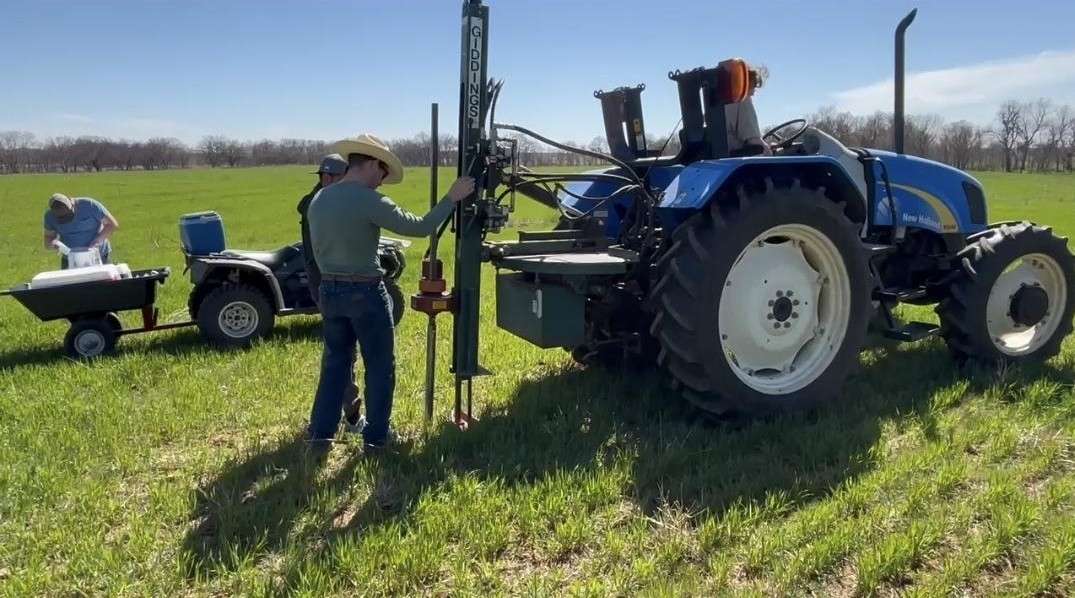
A key milestone this quarter was the collection of soil samples as part of our five-year follow-up to the 2021 baseline study. These results will provide valuable insight into how our no-till practices are influencing carbon retention and overall soil health. This work is especially important as we continue pursuing regenerative certification and exploring opportunities within carbon markets.
Summary of Q1 Activities
Our donor-funded activities are broken down into six main categories. The activities completed during this quarter are outlined below.

University Involvement
- As a five-year follow-up to our 2021 baseline soil tests, samples were collected this March! These results will help quantify how our no-till practices have enhanced the farm’s capacity for carbon retention. The findings will be helpful as we pursue regenerative certification and explore our participation in carbon markets.
- We established connections for this year with the sorghum research team, who are preparing to resume their multi-year study on weed management strategies in sorghum in the coming months.
Diverse Planting
- Annual: Winter wheat planted last November has been growing in two fields, covering a total of 67 acres. The crop has been treated with biostimulants and micronutrients aligned with regenerative principles, along with a post-emergence herbicide application.
- Perennial: Thirty new pecan trees were added to the southern edge of the orchard last year. We are supporting early growth through regular weeding, installing protective fencing to deter deer, and developing an interim watering system using modified protein tubs for slow water release.
Livestock Incorporation
- Cattle: For about four weeks this quarter, 19 yearling heifers grazed the pasture. We look forward to continuing this practice in 2027, not only in the pasture but also in the other fields, where managed grazing can stimulate root regrowth, increase soil organic carbon, improve nutrient cycling, enhance plant diversity and resilience, and boost water retention.
- Honeybees: The timeline for design and construction of a new, larger hive structure to support a bee population has been extended to Spring 2027. We’ll take this time to plan a new structure, research the best colonies to acquire, and secure a new bee care specialist.

Cover Cropping
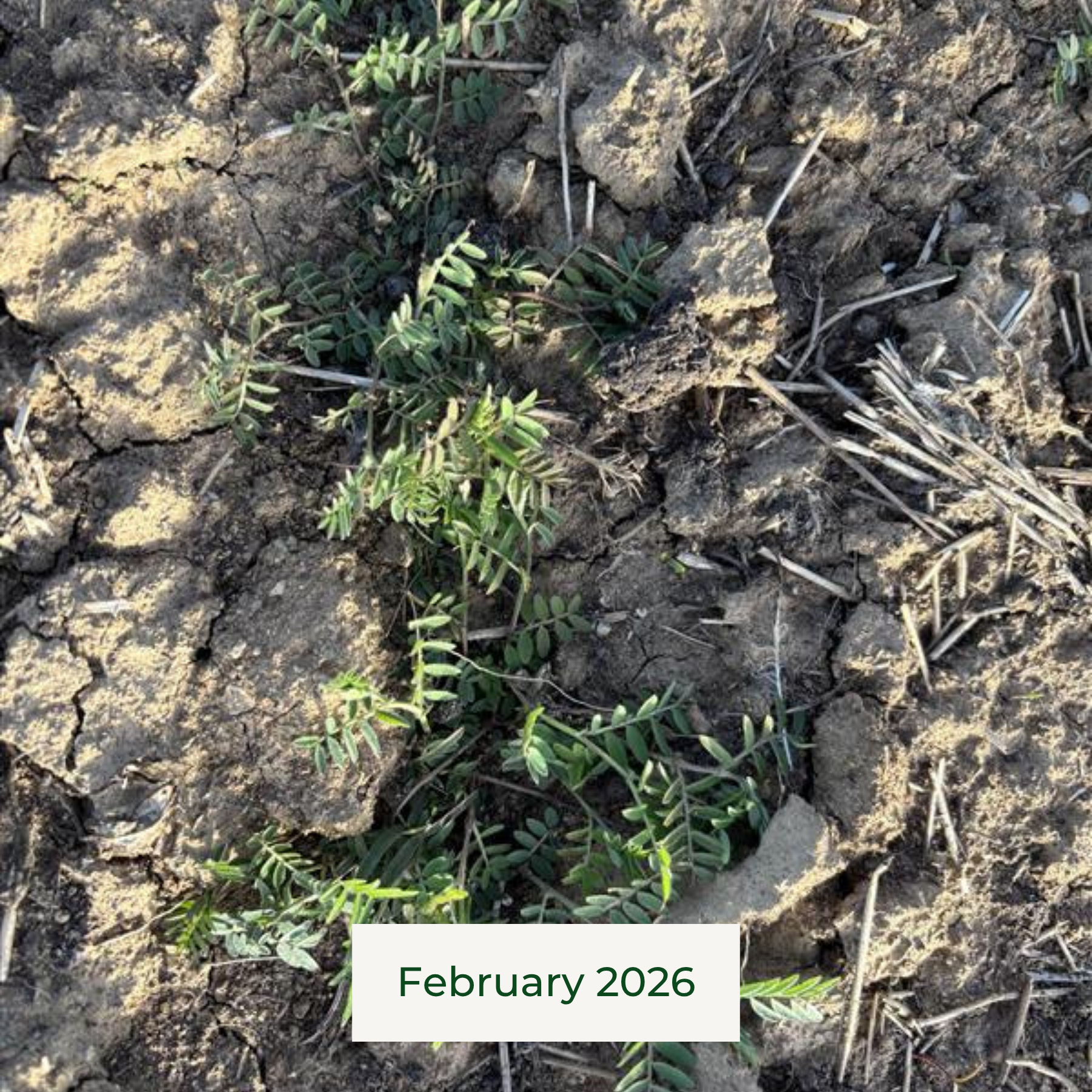
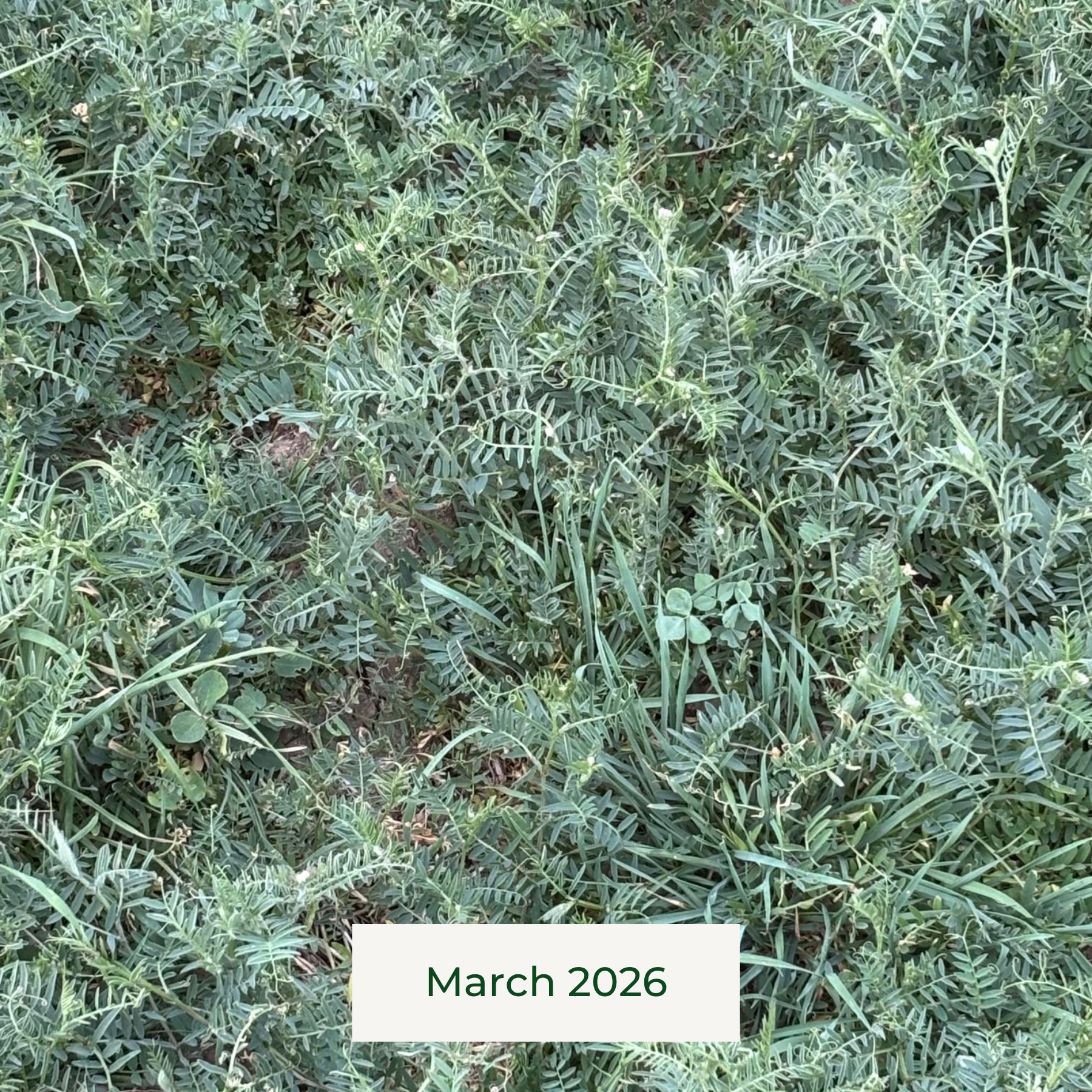
- The hairy vetch planted as a cover crop across 44 acres in Tiny Field is thriving. We’ll keep this cover crop in place as long as possible until we replace it with the planned soybean planting in May. Because cover cropping can prevent erosion, improve soil health, and optimize water retention, we are always eager to incorporate this practice when we can.

Farm Equipment & Supplies
- Late in 2025, the braces on the frame of the manure spreader started to crack. Welding repairs were made successfully in early January, just in time to incorporate composted cattle manure and chicken litter.
Infrastructure
- A Groot’s Orchard sign commemorating those who helped plant new pecan trees and pollinators during Farm Day 2025 is ready for installation. Setup will require additional time, as each nameplate will be individually mounted with chains.
- Ten Rainmaker Farm metal signs have been installed on all gates around the farm. Passersby and visitors know right away that they are at the farm!
Q1 Impact Report Highlights from Rainmaker Farm
With the start of the new year, we made progress on our Q1 2026 goals.
Summary of our Q1 Goals: Targets and Goal Tracking
As we move into Q2, we are excited to address the following initiatives:
-
- Await results of the OSU 5-year follow-up soil studies
- Continue progress toward regenerative agriculture certification
- Prepare fields for spring planting of soybeans
- Continue orchard care including watering, weeding, and protective fencing around new pecan trees
- Plan for new bee colonies in Spring 2027
- Advance construction of lean-to structure with deep water catchment guttering for orchard irrigation
- Develop plans for the related rooftop solar array and irrigation system for the orchard
- Install Groot’s Orchard sign