2025 Q4 Impact Report
This Q4 Impact Report highlights the regenerative practices, biodiversity efforts, and stewardship initiatives at Rainmaker Farm as we closed out 2025.
Letter from Founder and Team
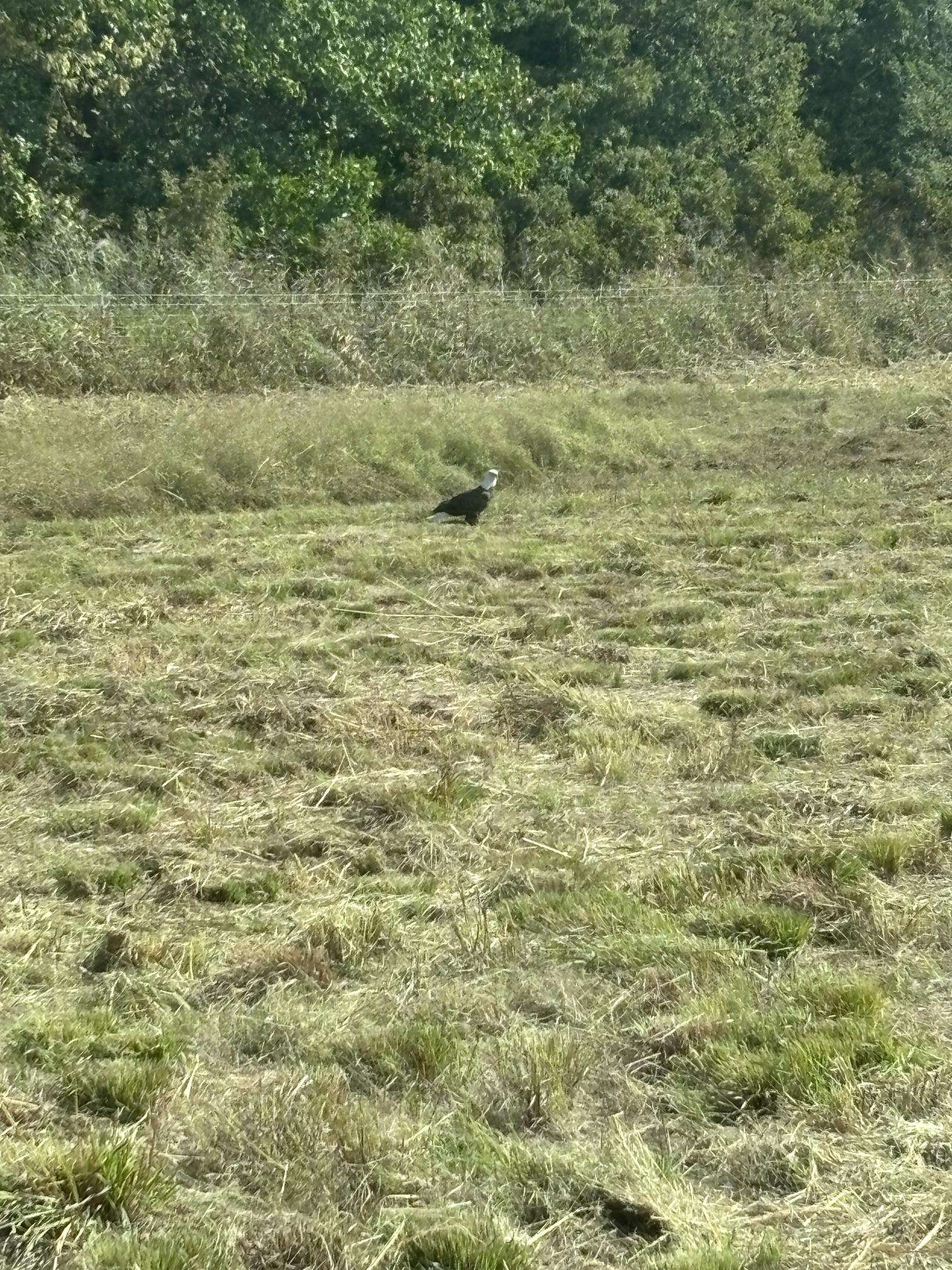
The close of the year might seem like it would be a quiet time on the farm, but actually, Q4 was very eventful. It began with an auspicious sighting of a bald eagle just a mile from the farm! Bald eagles depend on clean water, healthy prey, and intact habitat…all conditions that reflect a well-functioning ecosystem. A single sighting doesn’t indicate long-term trends, but it reflects our ongoing efforts to care for the land through regenerative practices that support biodiversity, water quality, and land resilience.
To address heavy weed pressure that has been culminating since the farm’s origins, we carefully explored our options before making some bold decisions. For the first time in the farm’s history, we applied a targeted herbicide spray and complemented it with a prescribed burn. By combining these approaches, we’re giving this season’s plantings the best chance to thrive, while continuing to manage the land thoughtfully and support the health of our ecosystem.
Over this period, we rolled out our fall–winter planting plan, adding fresh plantings across several parts of the farm and setting the stage for a productive season. Firstly, we boosted the biodiversity potential of the farm by planting a host of new pollinators including Shoal Creek Chaste Trees and shrubs and plants like Walkers low catmint, Russian Sage, purple Persian lilac, purple pride beautyberries, and two kinds of blackberry bushes.
In the orchard, we added new pecan trees and recruited a new tree care specialist who made baseline assessments of the orchard’s current needs. We look forward to a fresh perspective on orchard care, including more rigorous addressing of watering needs and supplemental treatments for pest prevention, all with a conscious awareness of regenerative and organic practices.
In the fields, we planted winter wheat and hairy vetch cover crops. We also began an associated application of fertilizer and soil amendments, but at the end of Q4, these tasks are currently stalled as we address equipment repairs.
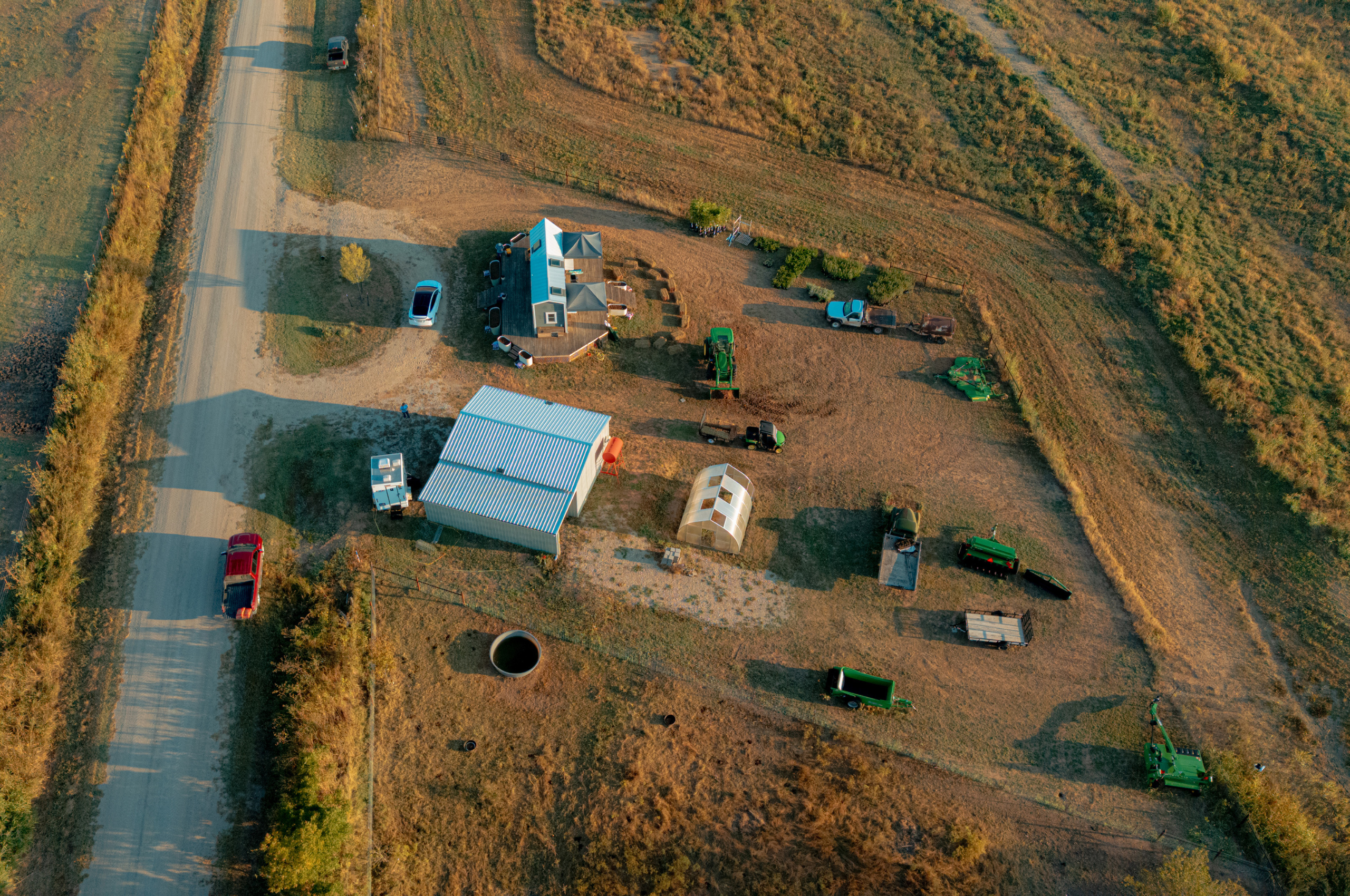
Regarding infrastructure, the three main areas for planting underwent an official renaming of the fields where we plant cash and cover crops. The area that spans the south portion of the farm and encompasses the orchard will now be called Orchard Field. The field to the northeast which is bordered by the riparian area is called East Field, and the field in the northwest is now called Tiny Field, not due to size but because it is closest to the Tiny House.
Additionally, we’re taking steps to improve the orchard infrastructure with a long-term vision for a sustainable irrigation system. It begins with a lean-to equipped with deep guttering to capture water for the farm’s catchment tank. Next, we plan to install a rooftop solar array to power the irrigation system, which we’re also currently designing. This multi-phase project reflects our commitment to innovative, regenerative farm management, and we’re excited to bring it to fruition.
Lastly, we are moving forward with several projects that support our long-term vision for the farm and its regenerative practices. We’re continuing to prepare our application for regenerative agriculture certification, while also exploring how our practices could allow us to participate in carbon markets and the trading of carbon credits to help organizations offset emissions. With the five-year follow-up to our baseline soil tests from 2021 approaching, we’ll be collecting all the data needed for both the certification process and carbon market participation. It’s an exciting time for the farm, and we look forward to the opportunities the new year will bring.

Farm Day
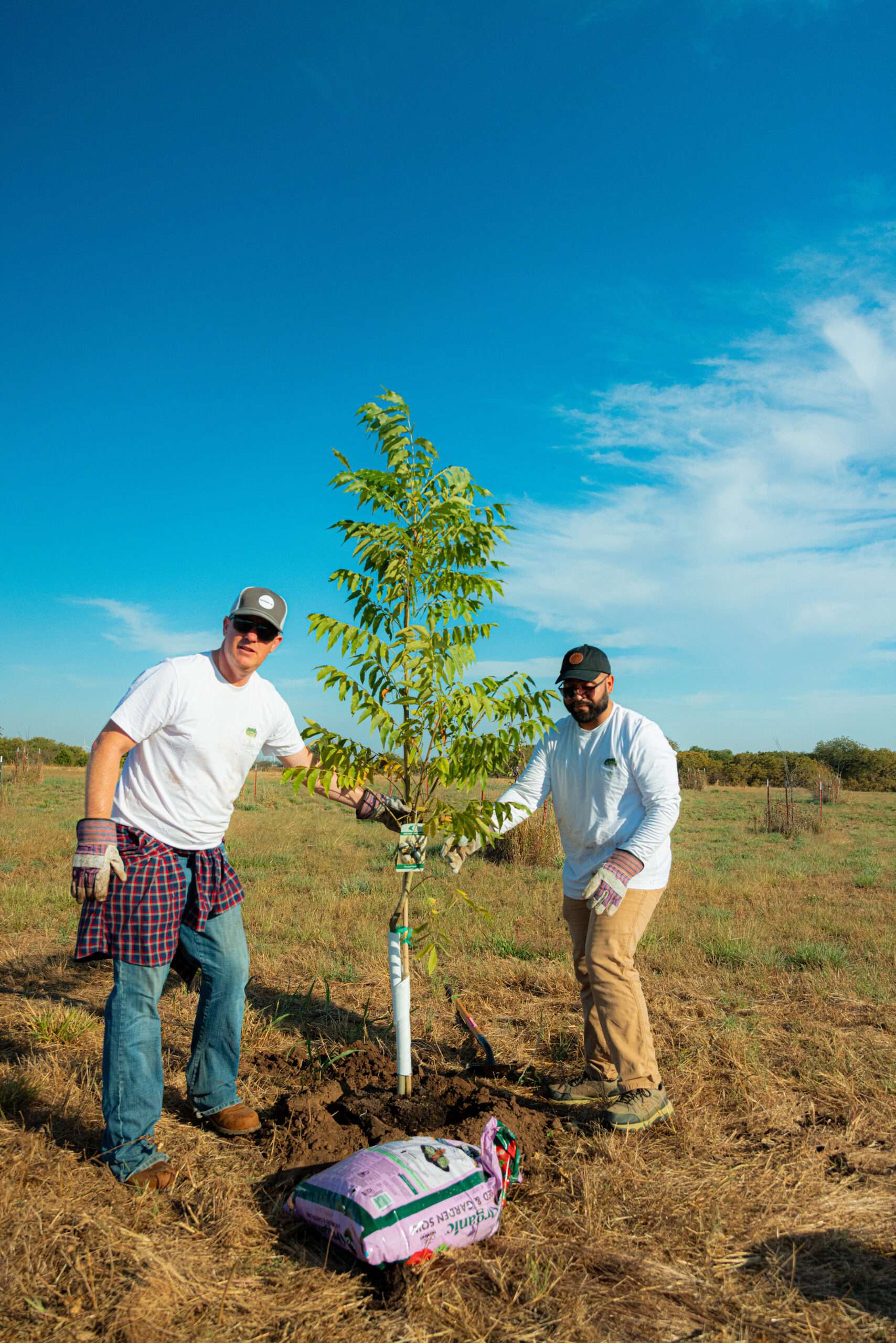
For the first time, Farm Day was held in the autumn (previous events were in the spring). We had hoped for cooler weather, and although temperatures reached 90°F, we still accomplished a lot! Fifteen Motive Power employees and six friends and family joined us, contributing to maintenance and growing projects, while also learning about regenerative farming. Presentations came from members of the Oklahoma Conservation Commission, the OSU Department of Plant and Soil Sciences, and our own farm manager, who shared insights on the current state of cattle farming. Memories were made, and by the end of the day, 30 new pecan trees had been planted in the orchard, and nearly 300 pollinator plants were placed around the Tiny House and in the orchard to attract birds and bees and encourage biodiversity. All the new plantings received a thorough watering as we transitioned into the winter months.
Q4 Impact Report Highlights
Our donor-funded activities are broken down into six main categories. The activities completed during this quarter are outlined below.

University Involvement
- The sorghum studies initiated by OSU in the summer concluded during this period. The research team logged observations and collected measurements at the East Field test plots, with a full report expected in 2026. The study aims to compare and refine management practices for organic grain sorghum and sorghum silage, with the goal of improving soil fertility, soil health, and weed management. The experiment is expected to continue for another one to two years.
- As we approach the five-year follow-up to our 2021 baseline soil tests, we’ll be gathering the information needed to advance both our regenerative certification and carbon market goals.

Diverse Planting
- Annual: From late October to early November, we focused on fall planting and managing ongoing weed pressure. For the first time, we applied a widespread herbicide treatment, followed by a controlled burn across all three fields. After these preparations, we planted winter wheat in two fields, covering a total of 67 acres.
- Perennial: Nearly 300 new pollinators were planted in the yard around the Tiny House and in the orchard. In addition, 30 new pecan trees were added to the south edge of the orchard.

Livestock Incorporation
- Cattle: 39 steers grazed the native grasses of the pasture from late September until early December. We look forward to continuing this practice in 2026, not only in the pasture but also in other fields, where intentional grazing can regrow root systems, increase soil organic carbon, improve nutrient cycling, increase plant diversity and resilience, and enhance water retention.
- Honeybees: Plans for a new, larger hive structure continued throughout Q4, with the design process in progress. In addition, we are looking for new team members to care for the colonies we plan to acquire in Spring 2026.

Cover Cropping
- Because cover cropping can prevent erosion, improve soil health, and optimize water retention, we are always eager to incorporate this practice when we can. In Q4, hairy vetch was planted as a cover crop in the Tiny Field across 44 acres.

Farm Equipment & Supplies
- Q4 was a challenging and educational period for maintenance of farm equipment! Mice got into the manure spreader and caused damage to the side-by-side gator. Repairs were made, but we will need to troubleshoot how to avoid this in the future. The tractor required replacement of the diesel exhaust fluid header, and we are currently awaiting welding repair of the braces on the frame of the manure spreader.
Infrastructure
- We officially renamed the three primary planting areas of the farm. The southern section, which surrounds the orchard, is now called Orchard Field. The field in the northeast, adjacent to the riparian area, is designated as East Field. And the northwest field, located nearest the Tiny House, is now called Tiny Field.
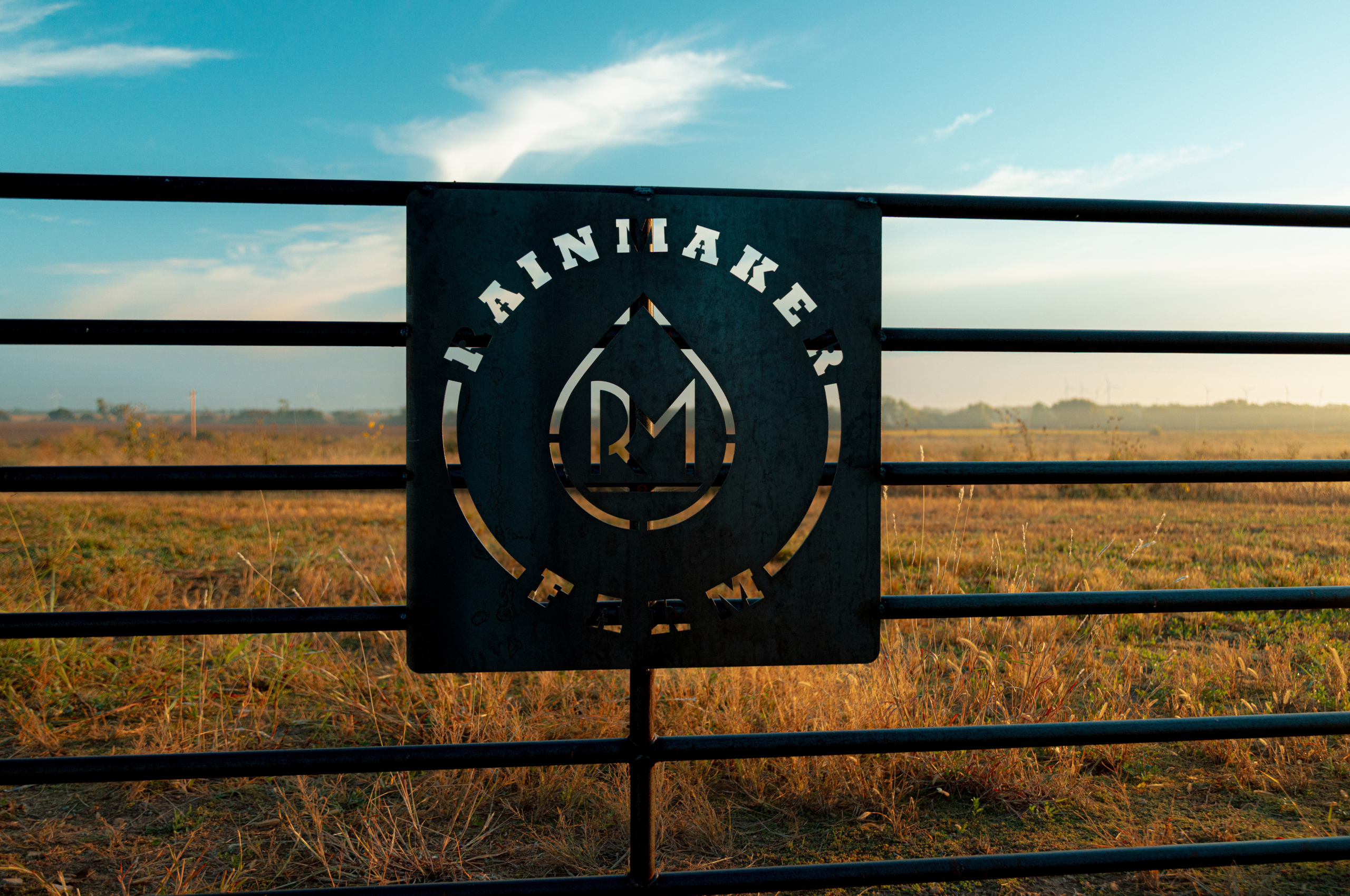
- Rainmaker Farm signs have been crafted from metal, and the first two have been installed on our newly added gates, giving visitors a sense of arrival as they pull into the driveway. In 2026, we plan to weld signs to all the gates around the farm.
Targets and Goal Tracking
As 2025 came to a close, we made progress on our Q4 goals.
Next Steps
For 2026, we are excited to address the following initiatives:
-
- Follow-up soil studies through OSU (baseline study was conducted in 2021)
- Progress with regenerative agriculture certification
- Ongoing field treatment with fertilizer and other soil amendments
- Preparation of fields for spring planting of soybeans and alfalfa
- Winter season orchard care with weeding, application of fungicide and horticultural oil, and protective fencing around new pecan trees
- Further planning for construction of lean-to structure with deep water catchment guttering
- Planning for the related rooftop solar array and irrigation system for the orchard
- Mounting of Rainmaker Farm signage to the remaining gates around the farm